
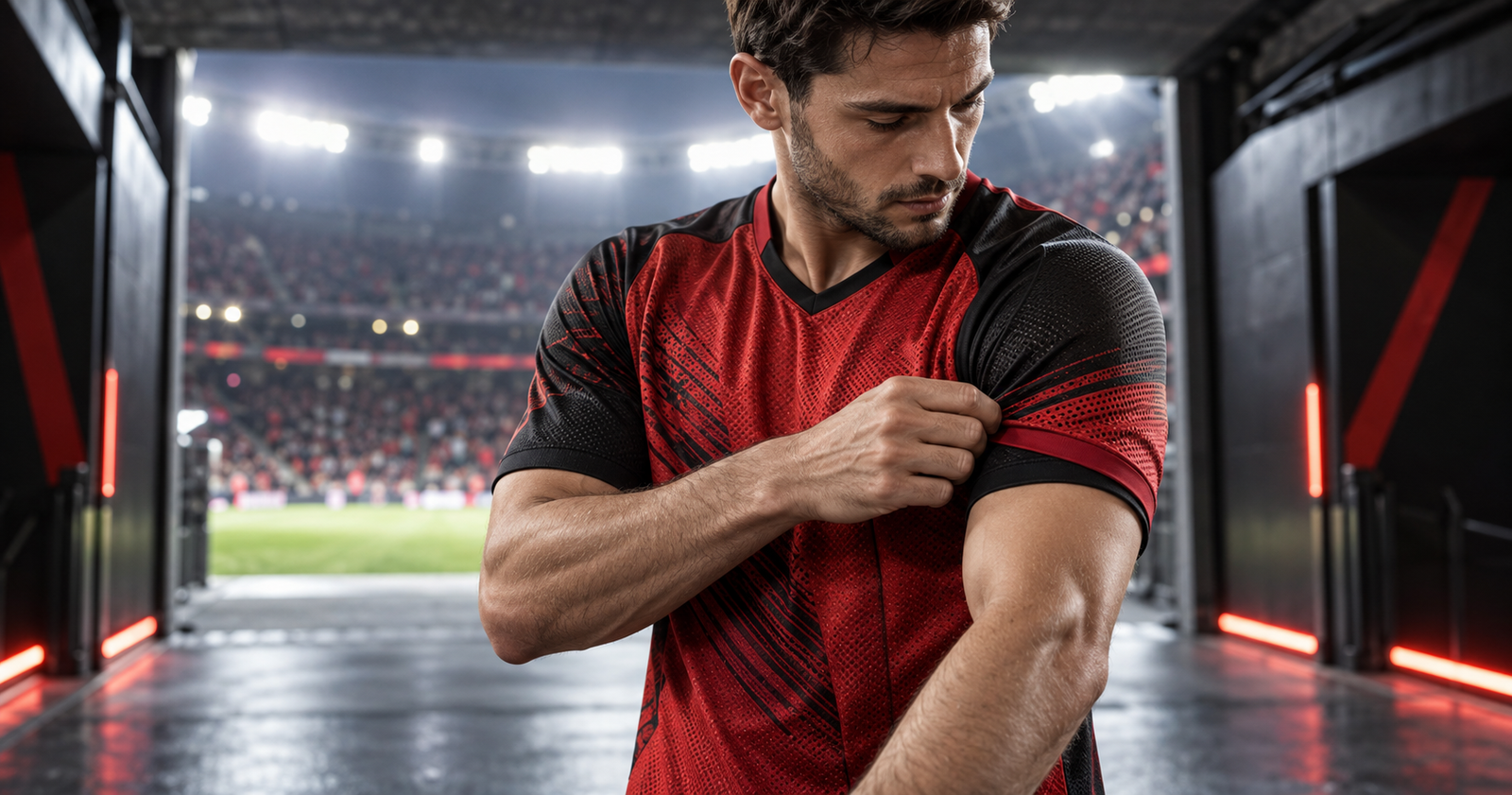
The design and colors of a sports uniform are important, but the fabric can make the biggest difference to player comfort and performance. Athletes need clothing that supports movement, manages moisture and remains comfortable during demanding training sessions and competitive matches.
Understanding the essential features of performance sportswear fabric can help your team select uniforms that look professional and perform effectively.
Breathable Material
During physical activity, the body produces heat. Breathable sportswear allows air to circulate through the fabric, helping excess heat escape.
This ventilation keeps players more comfortable during long matches and intense training sessions. Breathable materials are especially useful for teams playing in warm or humid conditions.
When choosing a sports uniform, avoid excessively heavy materials that trap heat and become uncomfortable during activity.
Moisture-Wicking Technology
Moisture-wicking fabric moves sweat away from the player’s skin and toward the outer surface of the garment, where it can evaporate more easily.
This feature helps prevent the uniform from becoming excessively wet, heavy or uncomfortable. It can also reduce distractions, allowing players to remain focused on their performance.
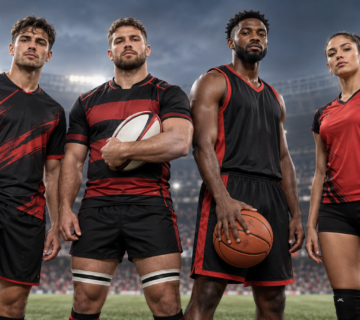
Moisture management is particularly valuable in high-intensity sports such as soccer, rugby, basketball and volleyball.
Lightweight Construction
Players should not feel weighed down by their uniforms. Lightweight sportswear supports speed and movement while providing the coverage and durability athletes require.
A lightweight kit can help players feel more comfortable when running, jumping or changing direction. However, the fabric should still be strong enough to withstand the demands of the sport.
The best performance sportswear achieves a balance between lightweight comfort and long-lasting strength.
Flexibility and Stretch
Athletes constantly move their arms, legs and bodies in different directions. Their uniforms must support these movements without feeling tight or restrictive.
Stretchable fabric provides greater freedom of movement during:
- Running and sprinting
- Jumping and landing
- Tackling and turning
- Reaching and stretching
- Passing and shooting
Flexible material can also help the uniform maintain its shape after repeated movement and washing.
Strength and Durability
Sports uniforms are worn frequently and exposed to stretching, contact and repeated washing. Durable fabric helps prevent tearing, fading and loss of shape.
Rugby kits require particularly strong materials because of the physical nature of the sport. Soccer, basketball and volleyball uniforms must also be able to withstand regular training sessions and matches.
Strong stitching and reinforced seams can provide additional durability in areas that experience greater pressure.
Comfortable Fit and Soft Texture
Performance clothing remains in direct contact with the skin for long periods. Rough or uncomfortable fabric may cause irritation and distract players during a match.
Soft materials and smooth seams can improve comfort. The uniform should provide an athletic fit that is neither excessively tight nor too loose.
Correct sizing is equally important. Teams should always check a complete size chart before ordering uniforms for junior or adult players.
Quick-Drying Properties
Quick-drying fabric allows moisture to evaporate faster after exercise or washing. This can help teams keep their uniforms ready for frequent training sessions and matches.
It also makes sportswear easier to maintain,, particularly when players need to wash and reuse their kits regularly.
For the best results, follow the garment’s care instructions and allow the uniform to air dry whenever possible.
Color and Print Retention
A professional uniform should maintain its colors and printed details throughout the season. Quality fabric and printing techniques can help prevent the design from fading,, cracking or peeling.
Team logos, player names, numbers and sponsor branding should remain clear and visible. Turning the uniform inside out before washing can provide additional protection for printed areas.
Fabric Requirements for Different Sports
Each sport has its own movement and performance requirements.
Soccer
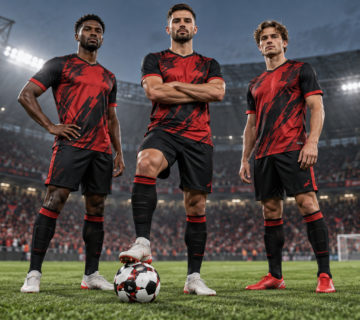
Soccer kits should be lightweight, breathable and moisture-wicking because players remain active throughout the match.
Rugby
Rugby uniforms need durable material, strong seams and a secure fit to withstand tackling and physical contact.
Basketball
Basketball kits should provide ventilation and unrestricted movement for running, jumping and rapid changes of direction.
Volleyball
Volleyball uniforms require flexible, lightweight fabric that supports jumping, diving and overhead movement.
How to Choose the Right Sportswear Fabric
Before ordering your teamwear, consider the climate, sport, level of activity and frequency of use. Ask whether the material provides:
- Effective breathability
- Moisture management
- Flexibility and stretch
- Lightweight comfort
- Strong construction
- Quick-drying performance
- Reliable color retention
Choosing fabric based only on appearance or price may result in uniforms that are uncomfortable or unsuitable for your sport.
Final Thoughts
High-quality performance sportswear fabric should help athletes move freely, remain comfortable and feel confident. Breathability, moisture management, flexibility and durability are all essential features of a reliable team uniform.
At Attitude Sportswear, we create performance-focused teamwear for soccer, rugby, basketball and volleyball players. Our custom uniforms combine modern designs with comfortable fabrics to help every team look united and perform with confidence.

No comment